

Blog
What Is 925 Sterling Silver? A Plain-English Explanation

Key takeaways
- 925 sterling silver means 92.5% pure silver mixed with 7.5% copper (or another metal) for strength.
- The 925 hallmark is a legitimate purity mark, not a sign of lower quality silver.
- 999 fine silver is purer but too soft for everyday jewellery or cutlery, which is why 925 became the standard.
- Silver plated items only have a thin silver layer over a base metal and are worth far less than solid 925 pieces.
- A proper assessment checks purity, weight, and hallmark together, which is more reliable than a home test alone.
What Does 925 Sterling Silver Mean?
925 sterling silver is an alloy made of 92.5% pure silver and 7.5% of another metal, usually copper. The number refers directly to the silver content by weight: for every 1,000 grams of metal, 925 grams are pure silver. This ratio has been used in silversmithing for centuries because pure silver on its own is too soft to hold its shape under daily wear.
Pure silver, sometimes called fine silver, is a beautiful but fragile metal. It scratches easily, bends out of shape, and wears down quickly when used in rings, bracelets, or cutlery that gets handled every day. Adding copper to the alloy gives the metal enough durability to survive decades of use without losing its structure, which is why sterling silver jewellery and silverware are made to the 925 standard rather than pure silver.
So to answer the question directly: yes, 925 is real, legitimate silver. It is not a watered-down or fake version of silver. It’s the recognised international standard for sterling silver, used by jewellers, silversmiths, and mints worldwide, and it’s what you’ll find stamped into the majority of silver jewellery, flatware, and decorative silver sold today.
The 925 Hallmark Explained
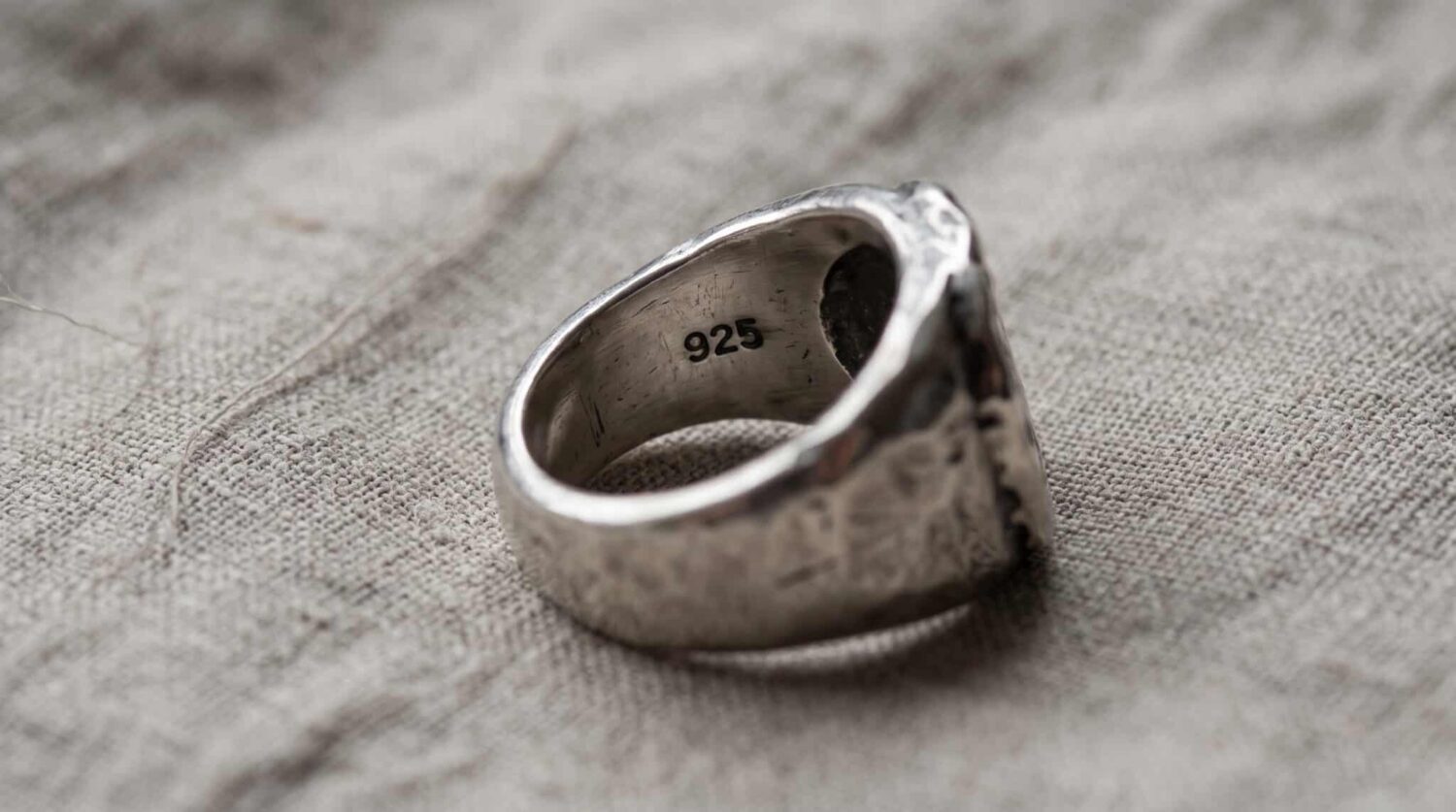
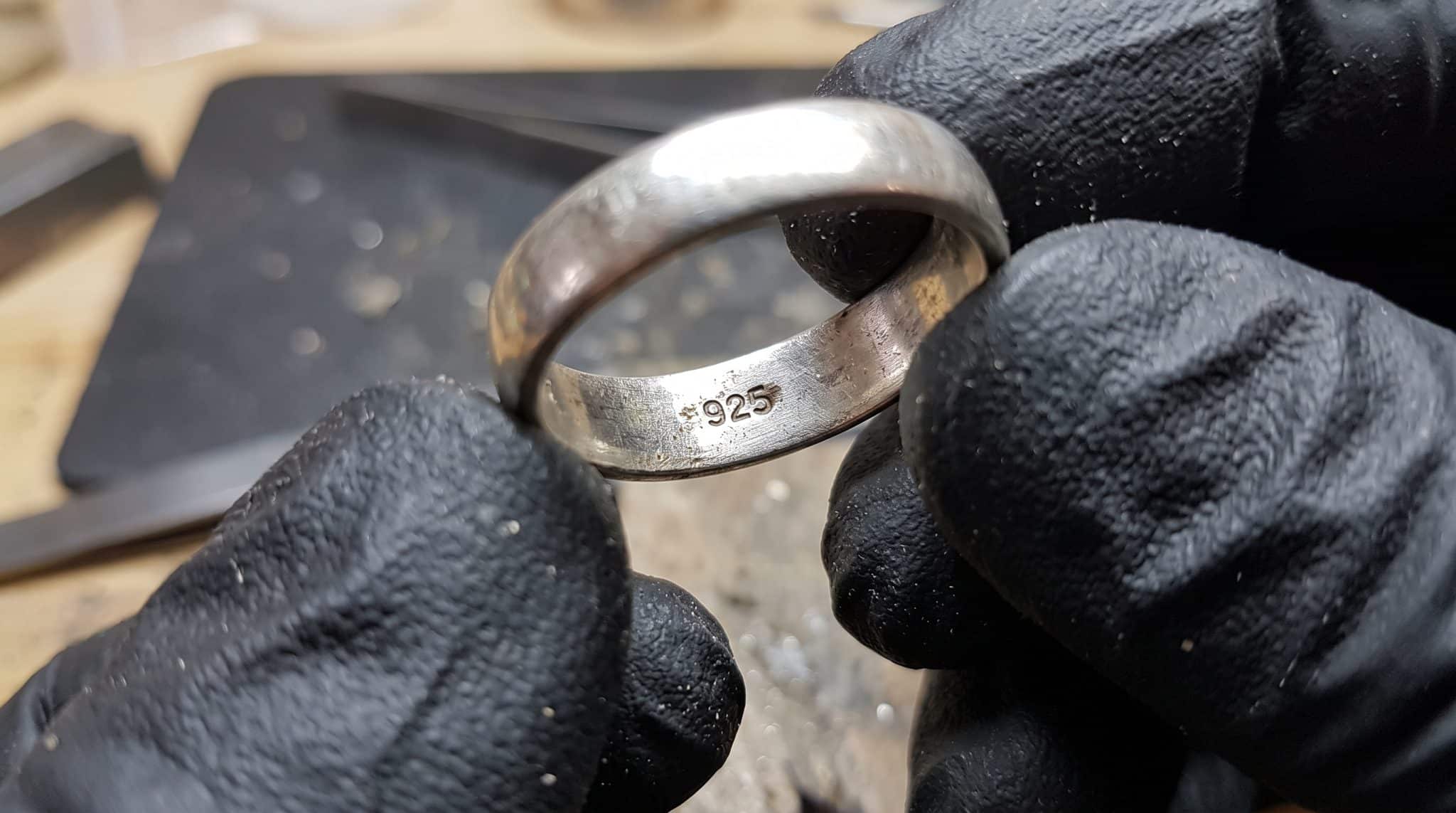
A silver hallmark is a small stamped mark that tells you the purity of the metal without needing to test it yourself. On 925 sterling silver, the hallmark is usually just the number “925,” sometimes written as “925 Sterling” or “Sterling Silver.” It’s a quick, standardised way for jewellers, buyers, and sellers to identify silver content at a glance, and learning to spot it is the first step in understanding what you’re holding.
Common 925 Stamps and Marks
You’ll typically find the 925 stamp in a discreet spot: inside a ring band, on the clasp of a chain or bracelet, on the post of an earring, or stamped into the underside or handle of silverware and flatware. The stamp itself is small, often just a few millimetres across, and can be worn down or hard to read on older pieces that have been polished many times over the years.
It’s common to see the 925 mark sitting alongside other symbols, such as a maker’s mark (initials or a logo identifying the silversmith or manufacturer) and sometimes a country of origin mark. These additional stamps don’t change the purity reading itself, but they can help a jeweller or buyer identify when and where a piece was made, which sometimes matters for older or collectible items.
Other Purity Marks You Might See (800, 950, 999)
Not all silver is stamped 925. Depending on where a piece was made and its intended use, you might come across other purity marks. Here’s how the common ones compare:
| Hallmark | Silver Content | Common Alloy | Typical Use |
|---|---|---|---|
| 999 | 99.9% pure silver | Minimal alloy | Bullion bars and investment coins |
| 950 | 95% pure silver | 5% copper or other metal | Britannia silver, some fine flatware |
| 925 | 92.5% pure silver | 7.5% copper | Sterling silver jewellery and silverware |
| 800 | 80% pure silver | 20% copper or other metal | Older European and Continental silver |
If your item is stamped 800 silver rather than 925, it isn’t fake or damaged, it simply follows a different national standard, common in older German, Austrian, and other Continental European silverware. It still holds real silver content and real value, just at a lower percentage than sterling. For a closer look at identifying these marks on your own items, our guide on reading silver hallmarks and purity stamps walks through what to look for piece by piece.
925 Sterling Silver vs Fine (999) Silver
Fine silver, stamped 999, is as close to pure silver as commercial metal gets, 99.9% silver with barely any alloy. It has a brighter, slightly warmer tone than sterling and resists tarnish better, since there’s almost no copper present to react with air and sulphur compounds.
The trade-off is durability. Fine silver is too soft for anything that gets worn, handled, or used regularly. A 999 ring would dent and misshape quickly; 999 flatware would bend under normal use. This is precisely why 999 silver is mainly reserved for bullion bars, investment coins, and decorative pieces that aren’t subjected to daily wear, rather than for rings, chains, or cutlery.
925 sterling silver solves this problem by trading a small amount of purity for a significant gain in strength. The added copper creates a harder, more resilient alloy that can be shaped into fine detail, worn daily, and polished repeatedly without losing its form. That’s the practical reason sterling silver, not fine silver, became the global standard for jewellery and silverware.
925 Sterling Silver vs Silver Plate
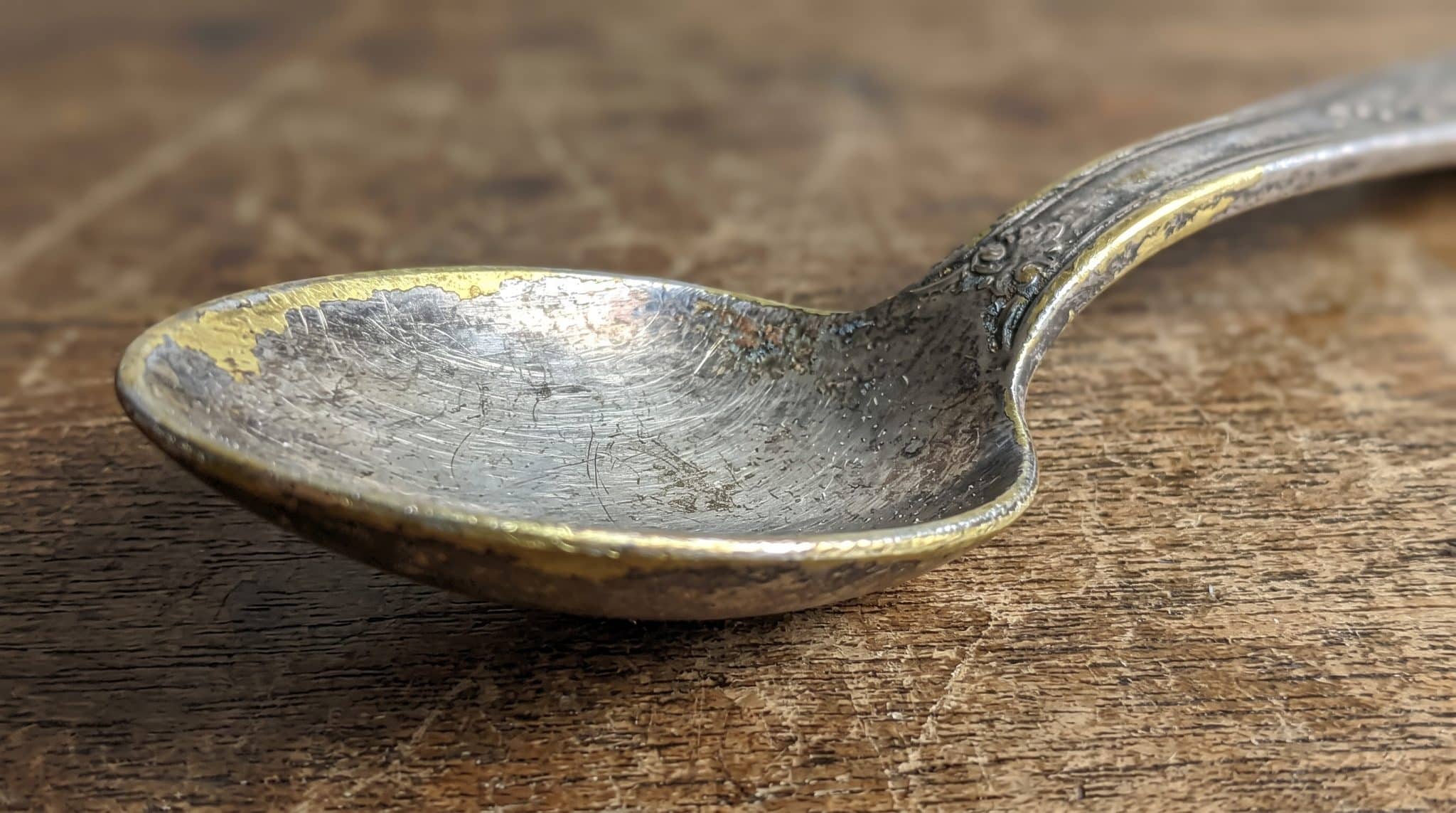
This is one of the most common points of confusion we see, and it matters a great deal for value. Solid 925 sterling silver is silver alloy all the way through. Silver plated items, by contrast, are made from a base metal, often copper, brass, or nickel alloy, with only a thin layer of silver electroplated onto the surface.
A silver plated piece might look identical to sterling silver when it’s new, but the two are worth very different amounts. Because plating is only a microscopic coating, there’s very little actual silver content in a plated item, whereas a solid 925 piece carries real silver weight all the way through.
There are a few telltale signs that point to plate rather than solid sterling. Look for wear patterns where the silver layer has rubbed away at edges or high-contact points, often revealing a yellowish, pinkish, or greyish base metal underneath. Plated items are also commonly stamped “EPNS” (electroplated nickel silver), “silverplate,” or simply have no hallmark at all, since manufacturers aren’t required to mark plated goods the way they mark sterling.
How to Tell If Your Silver Is Really 925
Before any proper assessment, there are a few basic checks you can do at home to form an initial impression of what you’re holding. None of these replace a professional look, but they’re a reasonable starting point.
Simple Checks You Can Do at Home
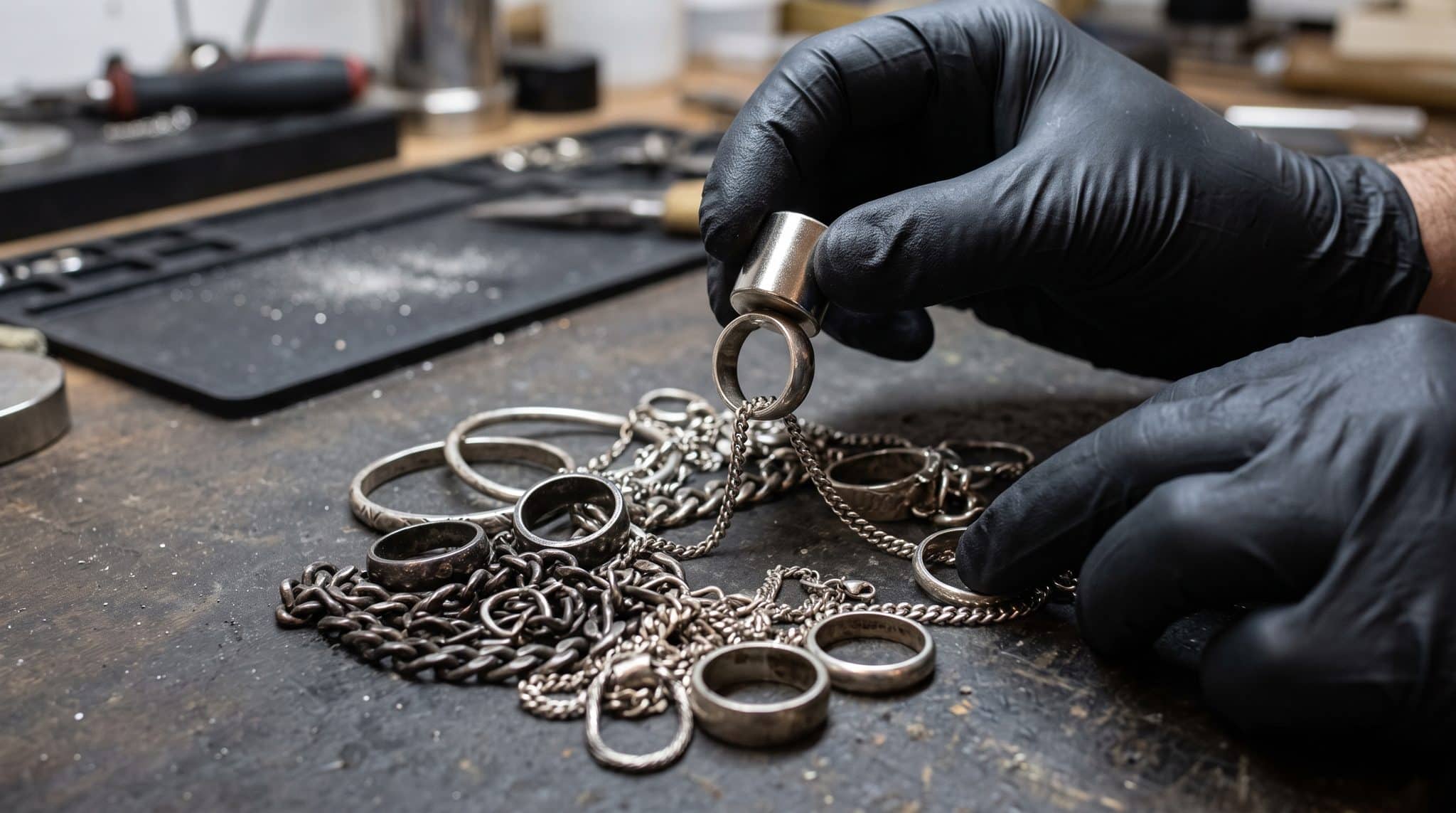
Start by looking for the stamp itself, usually “925,” “Sterling,” or “Ster” somewhere discreet on the piece. Use good light and a magnifying glass if needed, since stamps wear faint over time. Next, try a simple magnet test: silver is not magnetic, so if an item is strongly attracted to a magnet, it’s likely a base metal or heavily plated piece rather than solid sterling silver.
You can also look at tarnish patterns. Genuine sterling silver tarnishes with a characteristic grey to black tone over time due to its copper content reacting with sulphur in the air, which is actually a reassuring sign of real silver content rather than a flaw. An acid test, where a small drop of testing acid is applied to a filed or scratched spot, can give a more precise purity reading, but it requires specific chemicals and carries a real risk of damaging the item if done incorrectly, so it’s best left to someone experienced.
Why a Professional Assessment Is More Reliable
Home checks can rule out obvious fakes, but they can’t give you an accurate purity reading or an honest picture of value on their own. A stamp can be worn away, a magnet test only tells you what something isn’t, and tarnish alone doesn’t confirm a precise percentage of silver content.
A proper assessment looks at purity, weight, and hallmark together, alongside current market conditions, to build an accurate picture of what an item actually contains. This is the same approach we use when we assess silver jewellery, coins, silverware, or scrap silver brought in by sellers across Cape Town: checking the hallmark where one exists, weighing the piece accurately, and confirming the metal itself rather than relying on the stamp alone.
Does the 925 Mark Affect What Your Silver Is Worth?
Yes, directly. Silver is valued by its actual silver content, not simply by its weight as a finished item. Since 925 sterling silver is 92.5% pure by weight, that’s the portion of the item’s weight that counts toward its silver value, with the remaining 7.5% copper alloy carrying no real value.
This is why purity matters so much when estimating what a piece might be worth. An item stamped 925 will generally carry more underlying silver value than an equivalent weight of 800 silver, simply because a higher percentage of its mass is actual silver. The current silver price per gram also moves with global markets, so the same 925 item can be worth a different amount month to month depending on conditions; our silver price page tracks this if you want a general sense of where things stand.
Knowing your item is 925 gives you a reasonable starting point, not an exact number. Jewellers and buyers still need to weigh the piece and confirm the hallmark in person to give an accurate market value, since factors like wear, any non-silver attachments (stones, clasps, solder), and the item’s overall condition all play into the final figure.
Frequently Asked Questions
What does 925 mean on silver jewellery?
925 means the item is made of 92.5% pure silver alloyed with 7.5% of another metal, usually copper. It’s the standard purity mark for sterling silver jewellery worldwide.
Is 925 sterling silver real silver?
Yes. 925 sterling silver is genuine, industry-standard silver. The alloying with copper is intentional, added for strength and durability, not to disguise a lack of silver content.
How can I tell if my silver is really 925?
Look for a “925” or “Sterling” stamp, try a simple magnet test (silver isn’t magnetic), and check for the grey-black tarnish pattern typical of sterling silver. For a definite answer, a hands-on assessment of purity, weight, and hallmark is far more reliable than any home test.
Does 925 sterling silver tarnish?
Yes, it does, because the copper in the alloy reacts with sulphur compounds in the air over time. This is normal and doesn’t affect the underlying silver content or purity of the piece.
Is 925 sterling silver worth more than silver plate?
Significantly more. Solid 925 silver carries real silver content throughout the entire piece, while silver plated items have only a thin surface layer over a base metal, meaning far less actual silver by weight.
Once you know your piece is genuinely 925 sterling silver, the natural next step is finding out what it’s actually worth, and that comes down to an in-person look at weight, purity, and current conditions rather than guesswork. If you’d like that done properly, we offer a free assessment of your silver with no obligation to sell.