

Blog
How to Identify Real Silver: Reading Hallmarks

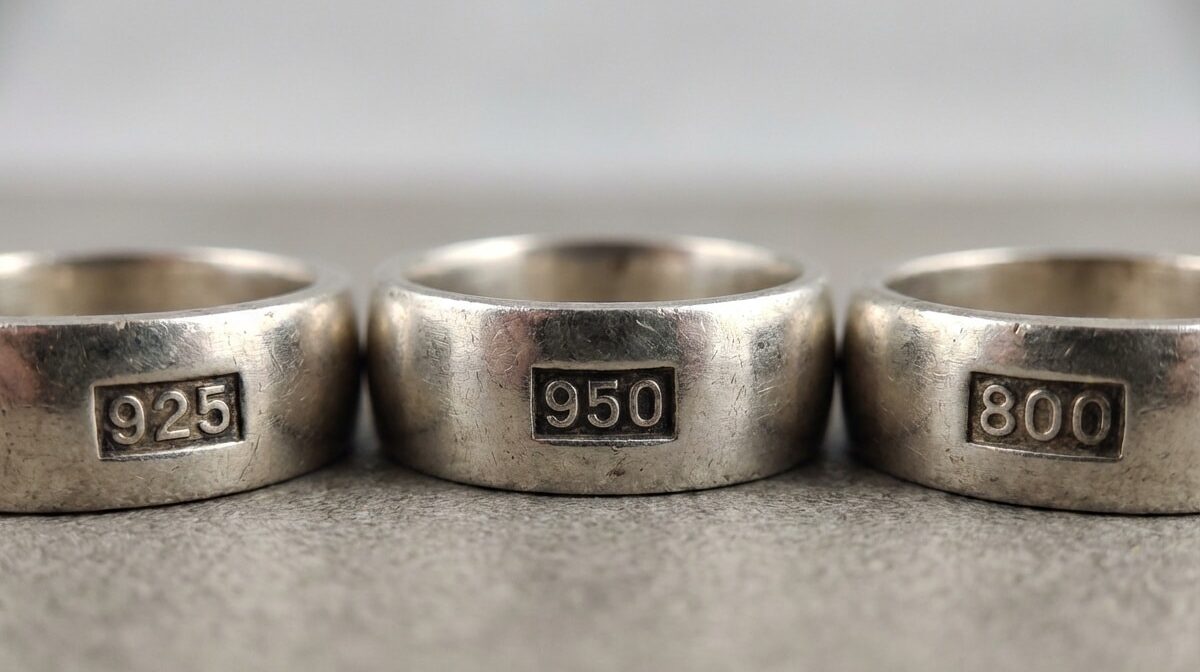
Before you sell a single piece of silver, ask yourself one question. Is this actually real silver? A drawer of old cutlery won’t answer that on its own. Neither will an unmarked ring or a box of coins.
Luckily, most silver tells you exactly what it is. A stamp on the ring often has your answer. So does a mark on a coin or spoon. Most sellers want two things from that mark. They want to know it’s real silver, and they want a sense of its worth. Both answers are usually right there in the stamp. You just need to know what to look for.
This guide covers every purity mark you’ll find. That’s silver jewellery, coins, and flatware in South Africa. It also covers marks that look like silver but aren’t. EPNS and silver plate are common examples. And you’ll learn to read a hallmark that’s worn, faint, or missing.
Key Takeaways
• A hallmark tells you what your silver actually is. It’s a stamped purity mark, not a brand name or decoration.
• 925 is the mark you’ll see most often. It means solid sterling silver, 92.5% pure.
• 999 is the purest mark, but it’s rare in jewellery. Fine silver is too soft for rings and cutlery, so it mostly shows up in bullion and coins.
• 800, 835, and 900 are genuine, lower-purity marks. Common on older European jewellery and inherited silverware.
• EPNS and silver plate aren’t solid silver. They’re a base metal with a thin silver coating on top.
• A magnet test can rule silver out, but it can’t confirm it. A professional check is the only way to be certain.
• Purity and weight together decide what your silver is worth. We Buy Silver checks both for free, with no obligation to sell.
What Is a Hallmark, and Why Does It Matter?
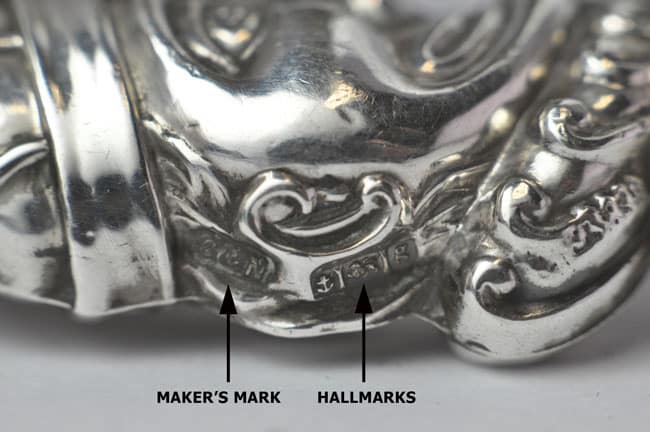
A hallmark is a small stamped mark, usually just a few millimetres wide. A manufacturer or assay office stamps it there to confirm what the piece is made of. On silver, you’ll usually spot it under jewellery, inside rings, or on the back of a clasp. Cutlery and hollowware usually carry theirs on the base or handle, and coins wear theirs stamped straight into the face. The exact meaning shifts by country and era, but the idea stays the same everywhere you look.
That’s exactly why hallmarks matter so much, especially when you’re checking if your silver is genuine. A clear hallmark is easy to spot and quick to read. A worn, missing, or unfamiliar mark takes more work, and it’s often where first-time sellers start to worry about being lowballed. Reading hallmarks yourself won’t replace a proper appraisal, but it’s enough to walk in feeling confident.
What Silver Purity Marks Actually Mean
A hallmark on silver is usually a stamped number, sometimes a symbol. It tells you how much of the item is actually silver. It’s not a brand name, a country code, or a decoration. It’s a fineness figure, expressed as parts per thousand.
When you see 925, 800, or 999 stamped into a piece, you’re reading a purity mark in its simplest form. It’s a three-digit number that states the silver content out of 1000 parts of metal.
Why the Number Is a Fineness Score, Not a Brand
It helps to stop thinking of 925, 800, or 999 as a type of silver, like a car model. Instead, think of it as a fineness score, like an octane rating. Every one of these numbers describes the same base metal, silver, at a different level of purity. Each one is just mixed with a different amount of alloy to get there.
That is why the mark matters when you’re trying to work out value. Two rings can look identical and weigh the same, yet still be worth different amounts.
| Mark | Silver Content | Common Name | Typically Found On |
| 999 | 99.9% | Fine silver | Bullion bars, investment coins, some pendants |
| 958 | 95.8% | Britannia silver | British antique silverware, some fine jewellery |
| 925 | 92.5% | Sterling silver | Most jewellery, modern flatware, silverware |
| 900 | 90% | Coin silver | Older coins, some American and French silverware |
| 835 | 83.5% | European silver | German and Scandinavian vintage pieces |
| 800 | 80% | Continental silver | European jewellery, cutlery, inherited silverware |
999 Fine Silver: The Purest Mark You Will See
A 999 stamp means the item is 99.9% pure silver, commonly called fine silver. That’s about as pure as silver gets in a commercially traded form. You’ll see this mark almost exclusively on silver bullion bars and investment coins, things like Krugerrand-style silver bullion coins and other minted bullion products. Occasionally it turns up on fine silver jewellery too, usually pieces marketed specifically as investment-grade.
Fine silver at 999 is soft. It scratches and dents more easily than an alloyed piece. That’s why it’s rarely used for rings, bracelets, or cutlery that see daily handling. 999 jewellery is rare. When you do see it, it’s usually pendants or other decorative pieces that don’t get much daily wear.
Because 999 fine silver carries almost no alloy, its value sits about as close to the raw market price of silver as you’ll get, gram for gram. That’s before anything extra gets added for form, collectability, or condition.
925 Sterling Silver: The Mark You Will Find Most Often
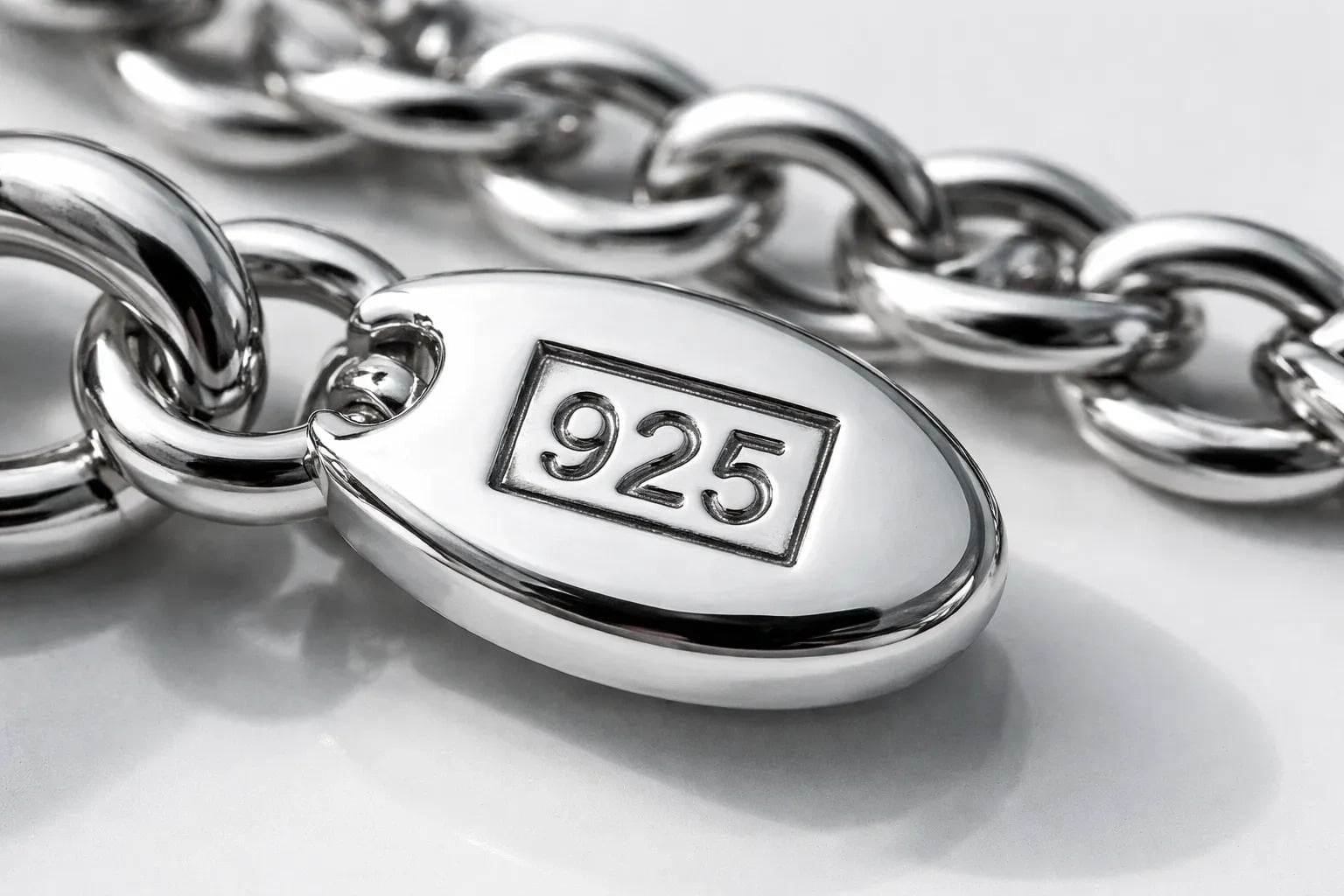
925 is the mark you’re most likely to come across, and for good reason. Sterling silver is the industry standard for silver jewellery, modern flatware, and most silverware made in the last century. A 925 stamp means the piece is 92.5% pure silver, with the other 7.5% made up of alloy, almost always copper. That’s what gives it the strength and durability pure fine silver lacks.
Sterling silver strikes a balance the trade has settled on worldwide. It contains enough silver to count as genuine, solid silver, with just enough copper to stay workable. That’s what makes it right for rings, chains, bracelets, tea sets, and flatware that need to hold fine detail and resist bending.
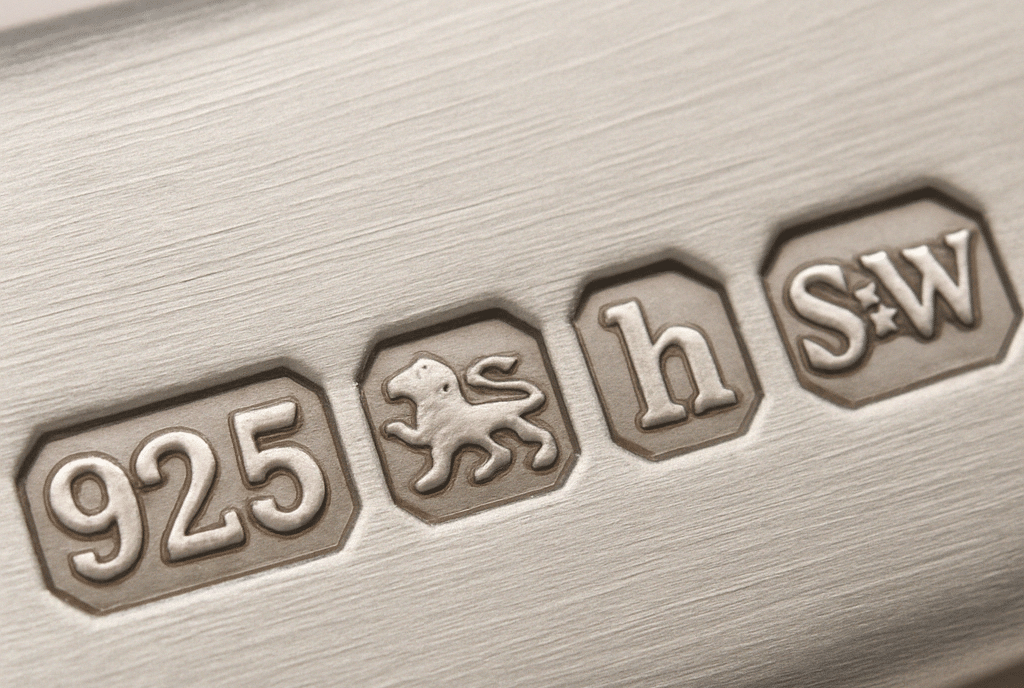
You’ll usually find the 925 stamp on the inside of a ring band, on the clasp of a chain or bracelet, or on the underside of an earring. It also turns up stamped into the handle or base of sterling silverware. Sometimes it’s joined by the word sterling, a maker’s mark, or, on older British pieces, a full set of assay hallmarks.
If you’re holding a piece of silver jewellery and trying to work out what it is before you sell, a 925 stamp is generally the best case. It confirms genuine sterling silver content, and it’s the exact purity our silver calculator uses when estimating value from weight and purity.
800 Silver and Other European Purities (800, 835, 900)
Older Continental European pieces often carry the 800 silver mark. German, Dutch, Italian, and Eastern European jewellery, cutlery, and inherited silverware often carry an 800 mark rather than 925. It means the item is 80% pure silver, with the other 20% made up of other metal.
800 silver is still solid, hallmarked silver, not plate, and it’s treated as such when assessed. It simply contains less silver per gram than a 925 piece of the same weight. So the same weight of 800 silver will be worth somewhat less than sterling.
Between 800 and 999 sit a handful of other purities you may find stamped into vintage or imported pieces. 835 silver was used historically in Germany and Scandinavia. 900 silver is sometimes called coin silver, because it was the standard purity for many 19th and early 20th century silver coins, including older French and American coinage. If you’ve inherited coins or flatware from that era, 900 is a mark worth recognising.
Other Marks Sellers Sometimes Find
Beyond the main purity marks, there are a few stamps worth knowing too. They come up often enough in inherited collections and estate pieces. Mistaking one for another can lead to a wildly wrong expectation of value. So it’s worth knowing them on sight.
958 Britannia Silver
A 958 stamp indicates Britannia silver. It’s a British purity standard higher than sterling, sitting at 95.8% pure silver. It was the mandatory standard in England between 1697 and 1720. That rule was introduced to stop silversmiths melting down sterling coinage. Britannia silver has occasionally been used since, mostly on fine antique and specialist silverware.
If you find a 958 mark on an older piece, it’s worth having properly assessed. That’s especially true if it carries extra British assay marks, like a lion’s head or a date letter. Genuine Britannia silver pieces are less common than sterling, so it pays to get a second look.
What Does EPNS Mean?
EPNS stands for Electro-Plated Nickel Silver. If you see these letters stamped into a tray, teapot, or set of cutlery, it tells you something important. This is not solid silver. EPNS pieces are made from a base metal, usually a nickel alloy. A thin layer of silver gets electroplated onto the surface. The word silver is right there in the name, but that’s about the plating, not the base material.
EPNS vs Sterling Silver: What’s the Difference?
So, is EPNS real silver? Not in any meaningful sense for resale value. Sterling is 92.5% silver all the way through. EPNS is a base metal with just a microscopically thin silver coating on top. That coating is worth a fraction of an equivalent sterling piece. Sometimes the piece is worth more for the design or condition than its silver content.
This mix-up is exactly why EPNS versus sterling silver causes so many disappointed sellers. A large, heavy EPNS tray can look and feel just as impressive as a sterling one. But the silver content, and therefore the price, isn’t remotely comparable. Learning to spot the EPNS stamp before you get an offer saves you from assuming a piece is worth more than it is.
Simple Ways to Check Silver at Home
If a piece has no visible hallmark, or the stamp’s too worn to read, there are still a few basic ways to narrow things down. Try these before you bring it in.
The Magnet Test
The magnet test is the simplest check you can do at home. Silver isn’t magnetic, so if a strong magnet clings firmly to your item, it isn’t solid silver. It’s more likely EPNS or another plated base metal instead. That said, this test can only rule silver out, not confirm it. A few non-magnetic metals can pass the same test without being silver at all.
Visual and Other At-Home Checks
A few other checks are worth doing before you assume anything.
- Look for wear at the edges or high points. On plated pieces, the base metal often shows through as a different colour where the item’s been handled or polished most.
- Check for any stamp at all, even a partial one, on clasps, undersides, handles, and coin faces.
- Note the weight and feel. Solid silver tends to feel notably heavier than a plated piece of similar size, though this isn’t reliable on its own.
Why At-Home Tests Aren’t Enough
Knowing how to test silver at home is genuinely useful for a first pass. But none of these checks are conclusive on their own. Acid or chemical testing kits sold for home use come with real risks. They can damage a piece or give you a misleading result if used incorrectly.
If you want a definitive answer, professional testing is the safest option. That’s especially true for anything you suspect might be valuable. It’s a far better bet than risking the item yourself.
When Hallmarks Are Worn, Missing, or Hard to Read
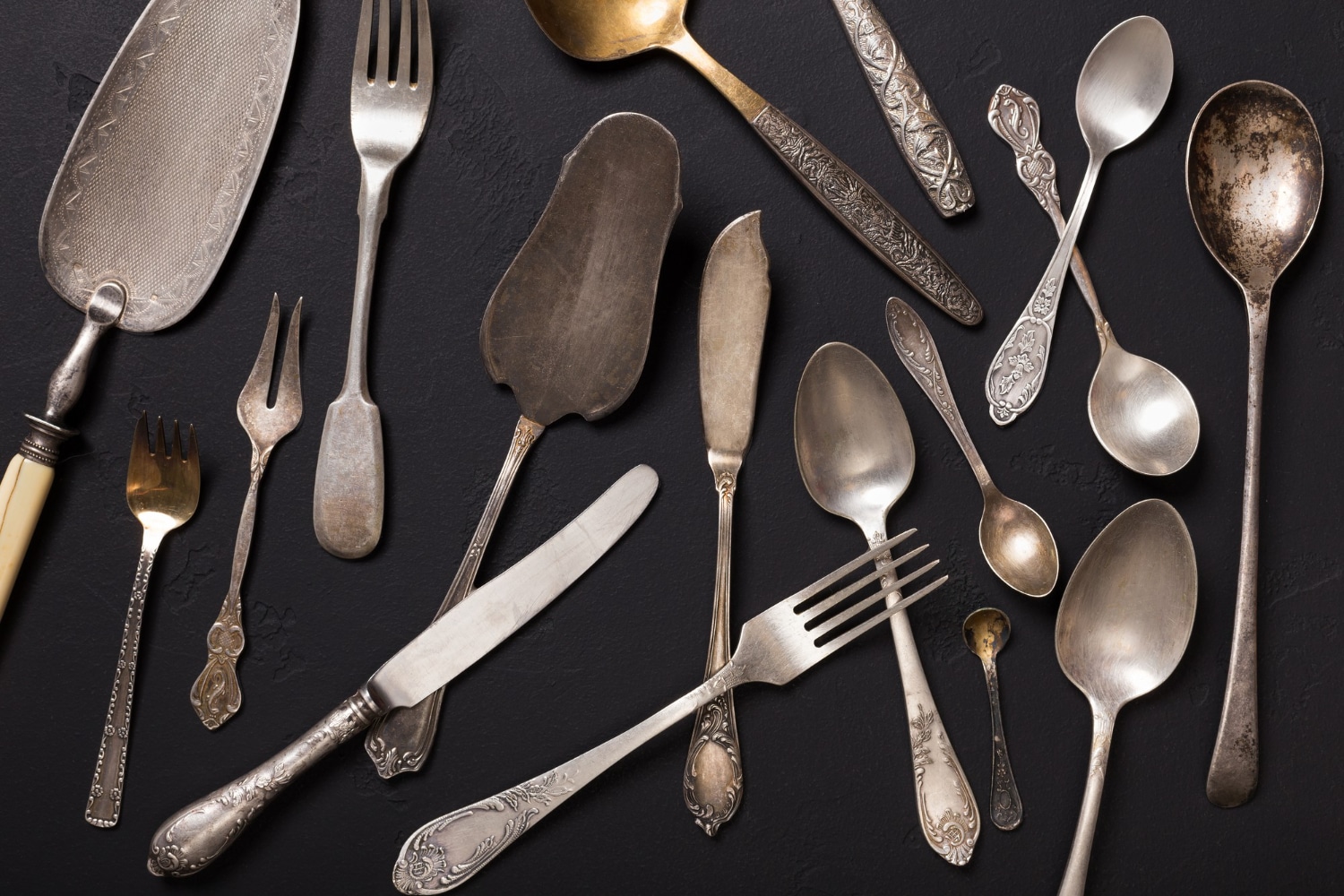
Age, polishing, and everyday wear all fade hallmarks over time. Older or handmade pieces sometimes never carried one in the first place. If that’s what you’re dealing with, don’t assume the item is worthless or that you can’t get an answer. A proper appraisal doesn’t rely on the stamp alone. Purity can also be confirmed by testing the metal itself. That’s exactly how to identify antique silver hallmarks that have worn past the point of being legible.
How We Buy Silver Verifies Your Silver
At We Buy Silver, every piece gets checked for hallmarks, tested for purity, and weighed on the spot. That happens in person, at our Willowbridge Centre location in Tyger Valley. It’s true whether it’s clearly stamped 925, unmarked, or you suspect it might be EPNS rather than solid. There’s no charge for the assessment, and no obligation to sell once you know what you have.
Before you come in, you can get a rough idea of value using the silver price calculator. It’s based on current market rates and the weight and purity you enter. It’s a useful starting point, but an in-person check is the only way to confirm purity with certainty. That matters most if your hallmark is worn, or you’re not sure whether you’re looking at sterling or EPNS.
This applies to whatever kind of silver you’re holding. It also includes a mixed box of items you’re not sure how to sort. Once you know what you have, our guide on where to sell silver in the Western Cape and our roundup of silver buyers in Cape Town cover what to look for in a buyer and how to make sure you get a fair price.
Get Your Instant Silver Quote Today
Once you know roughly what you’re holding, whether it’s stamped 925, marked EPNS, or still a mystery, getting a real answer takes just one visit. Get an instant quote from We Buy Silver, or get in touch with the team to ask any questions before you decide whether to sell.
Frequently Asked Questions
What does silver plated mean, exactly?
Silver plated means a base metal, often nickel or copper alloy, has a thin layer of silver applied to the surface. EPNS is one common type of silver plating. It looks like silver, but contains only a fraction of the silver content of a solid sterling piece.
Does the purity mark affect how much I get when I sell?
Yes, directly. Purity sets the silver content of the item. Silver content, multiplied by weight and the current market value of silver, is the core of how any offer gets calculated. A 999 or 925 item will be worth more per gram than an 800 or 900 piece of identical weight, and genuine silver plate like EPNS is worth only a small fraction of solid silver by comparison.
Is my silver real or fake if it has no stamp at all?
Not necessarily fake. Older, handmade, or heavily worn pieces sometimes never carried a legible hallmark, or the mark has faded with age and polishing. A professional purity test can confirm what the stamp can’t.