Blog
How to Know What Your Silver Is Worth Before You Sell

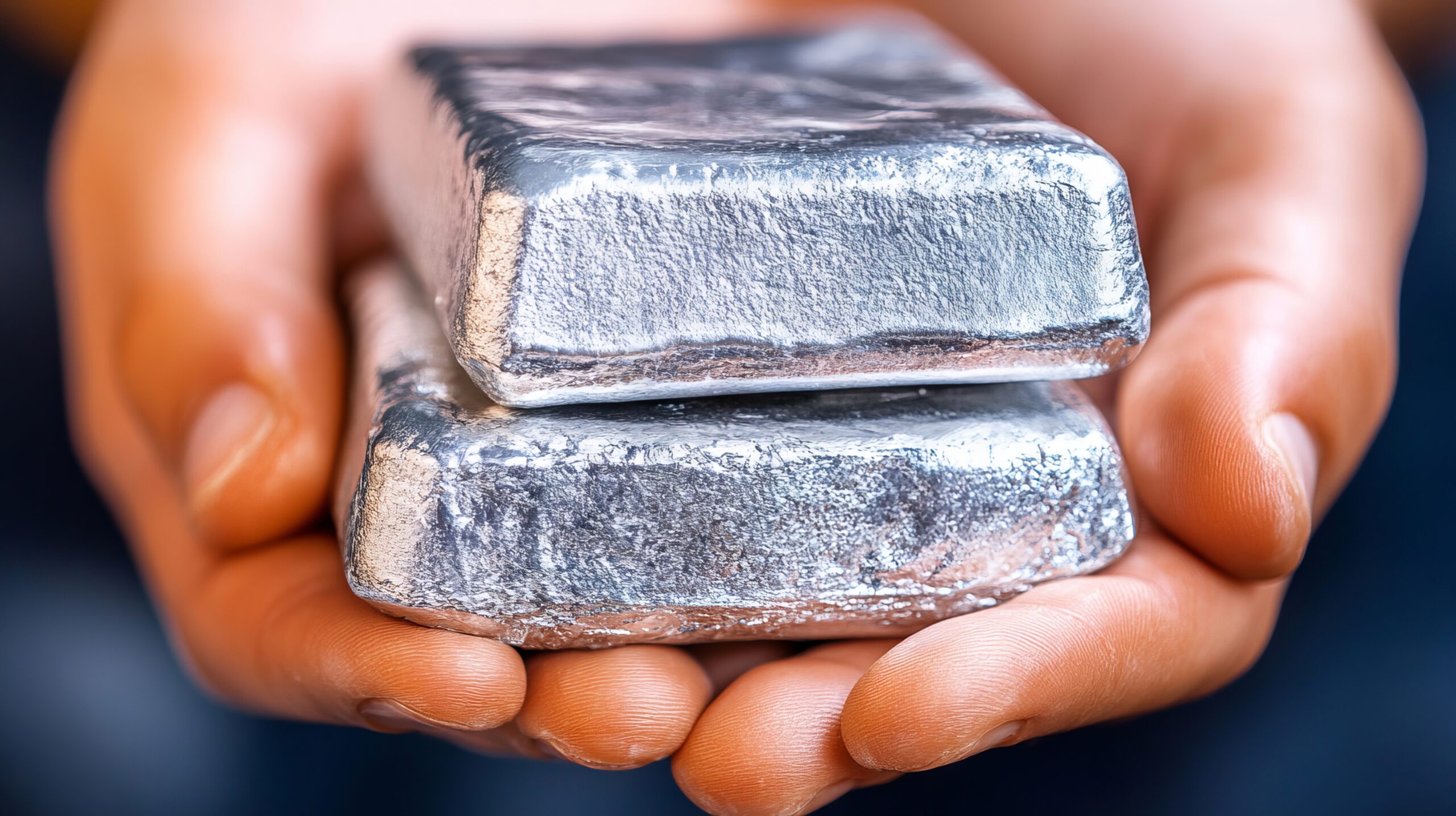
Before you sell your silver, it’s good to know exactly what you’ve got. Maybe it’s a silver chain, grandma’s old cutlery set, a handful of coins, or even a bullion bar. They all have silver in them, but they’re not all valued the same way.
When it comes to working out what your silver is worth, there are four main things to look at: weight, purity, the current silver price, and what kind of item you’re selling. Sometimes, things like condition, age, or how rare or collectable your piece is can also make a difference to the price you’re offered.
If you’re thinking about selling silver in the Western Cape, just follow this guide. We’ll help you understand what buyers look for before they make you an offer.
1. Start With the Type of Silver You Have
Before you do anything else, take a look at what kind of silver you have. Not all silver is treated the same way when it comes time to sell, so knowing what you’ve got is a good place to start.
Common silver items include:
- Silver jewellery, such as rings, chains, bracelets, earrings, and pendants
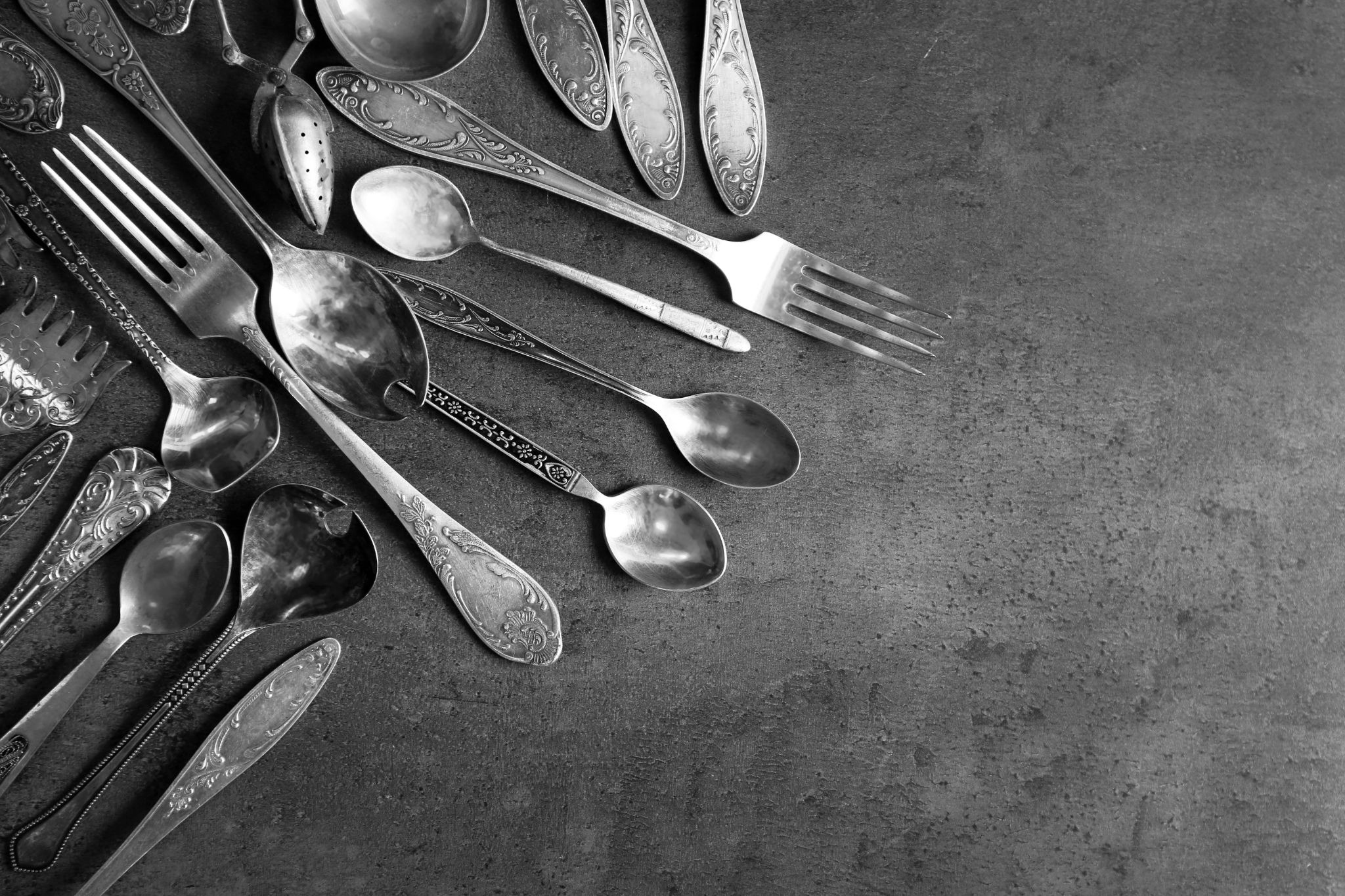
- Sterling silver cutlery and tableware
- Silver trays, teapots, serving pieces, and decorative items
- Silver coins
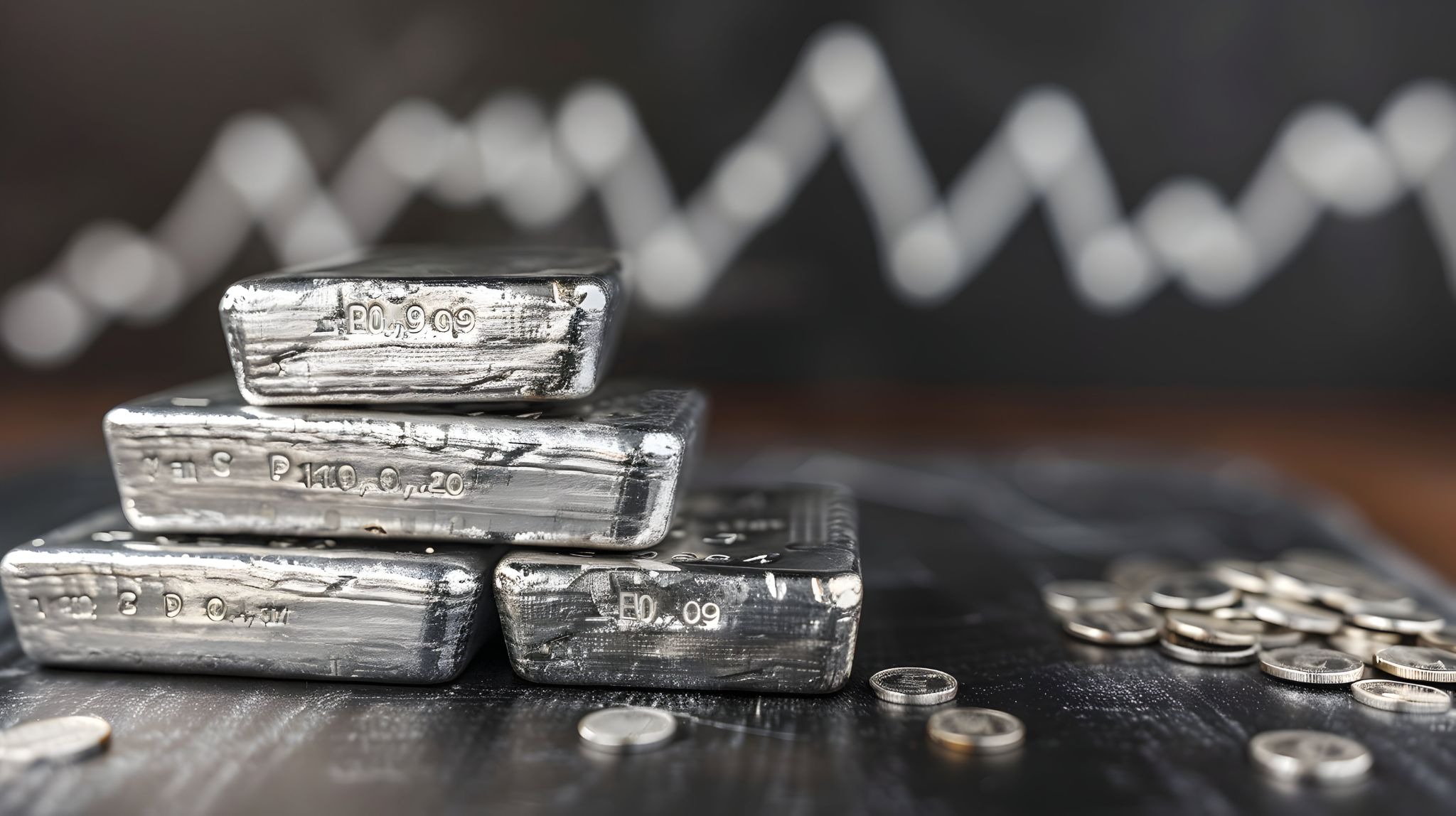
- Silver bullion bars
- Silver scrap, broken jewellery, and damaged pieces
- Inherited silver collections
If you’ve got bullion bars, you’re in luck, they’re usually the easiest to value since their weight and purity are right there on the bar. Jewellery and silverware can be a bit trickier, though. You might need to look a little closer, as things like purity, condition, and how much actual silver is in each piece can all make a difference.
2. Check the Purity Markings
Silver purity is just a way of saying how much real silver is in your item. This is important because when you sell, buyers care about the silver content, not just how heavy the piece is.
Look for markings such as:
- 999 or .999: Fine silver, usually found in bullion bars and some coins
- 925 or Sterling: Sterling silver, made up of 92.5% silver
- 900 or 800: Lower-purity silver, often found in certain older items
- EPNS or Silver Plated: Silver plated, not solid silver
Sterling silver is common in jewellery, cutlery, and household items. It still has meaningful silver value, but it is not valued the same as pure 999 silver because part of the item is made from other metals.
Silver plated items are different. They usually have only a thin layer of silver over a base metal, which means they generally have little melt value compared to solid silver.
3. Weigh Your Silver Correctly
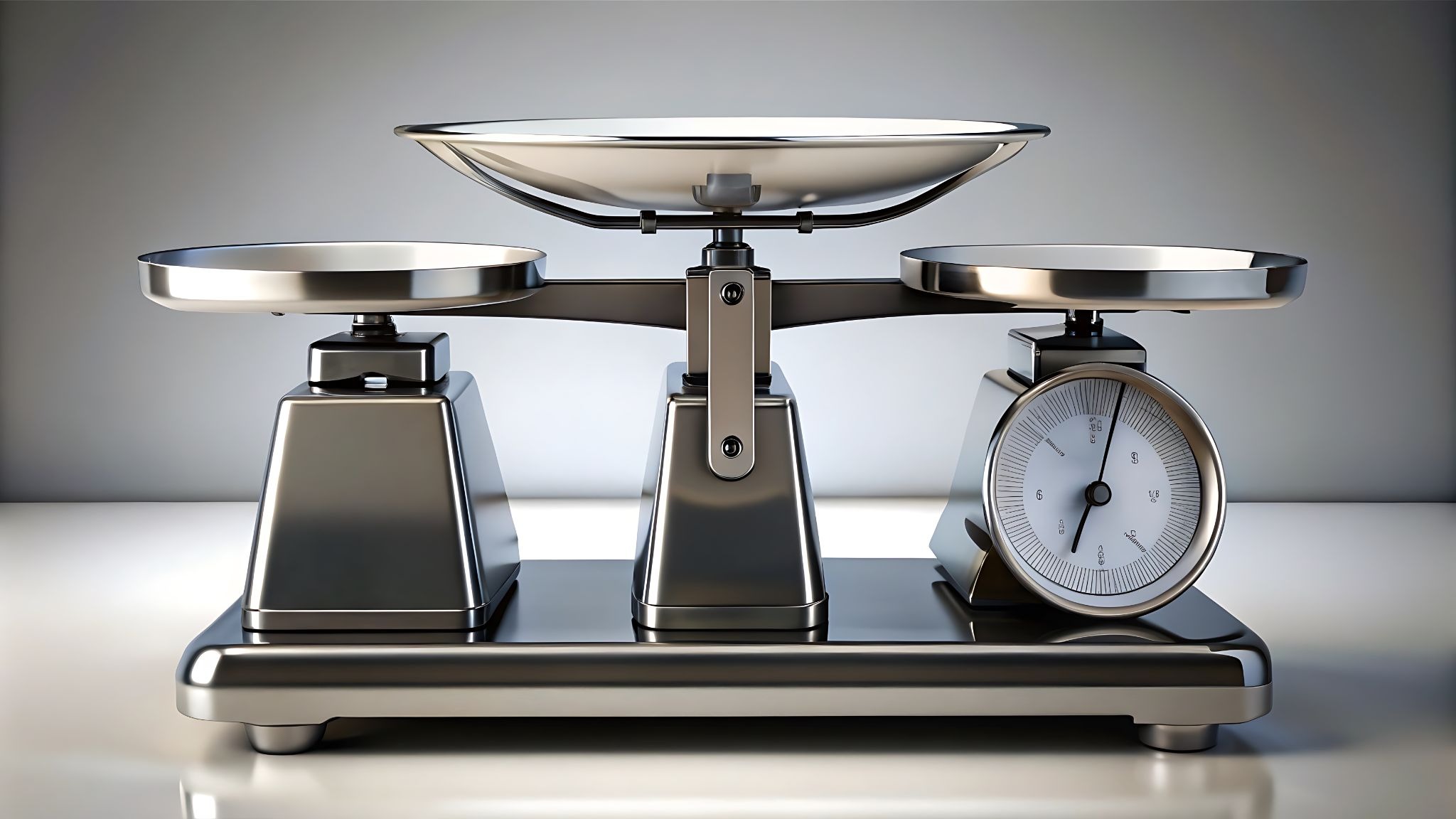
After you’ve figured out what type of silver you have and how pure it is, the next thing to look at is weight. Basically, the more silver in your item, the more it could be worth. You can get a rough idea of your silver’s weight at home with a digital scale. Just check if your scale shows grams, kilograms, or ounces, so you know what you’re working with.
Most precious metals are priced using troy ounces, but don’t worry if you find grams easier. When you go to a professional silver buyer, they’ll use their own accurate scales and work out the value based on both the weight and purity.
If you’ve got a mix of different silver items, it’s best to separate them before you weigh anything. For example, keep your 999 silver bars, sterling silver cutlery, and silver plated pieces in their own groups. Each type will be priced differently.
4. Compare Against the Live Silver Price
Silver prices don’t stay still, they can go up or down throughout the day, depending on what’s happening in the market. So, the value of your silver might change even in a short space of time.
But here’s something to keep in mind: the live silver price you see online isn’t always what you’ll get in your pocket. Buyers have to cover things like refining, testing, and their own business costs. That’s why most offers are a percentage of the live price, and it can depend on what kind of silver you have and how pure it is.
A trustworthy silver buyer will walk you through how they worked out their offer. Make sure you know the weight, purity, and how the price was set before you decide to sell. If you want a quick idea of what your silver might be worth, just try out the We Buy Silver calculator. Pop in your silver type and weight, and you’ll get an instant quote.
5. Understand Melt Value vs Collectable Value
Not every piece of silver is just worth its weight in silver.
Things like broken jewellery or old silverware that’s seen better days are mostly valued for their melt value. That just means people look at how much silver is inside. If it’s damaged or not very special, it usually goes into the melt pile.
Other items may have additional collectable or resale value. These can include:
- Certain old silver coins
- Complete silverware sets
- Antique silver pieces
- Rare or limited-edition bullion coins
- Designer or branded jewellery
- Items with historical interest
It’s easy to think something is worth more because it’s special to you, but sentimental value and what the market will pay aren’t always the same thing. If you’re not sure, it’s a good idea to get a professional to take a look and let you know if your piece is worth more than just its silver.
6. Check for Non-Silver Parts
Not everything in your silver item is always pure silver. Sometimes there are other materials mixed in, and that can change how much your piece is worth.
Examples include:
- Stones or gems in jewellery
- Steel knife blades in silver cutlery sets
- Wooden handles on serving pieces
- Weighted bases in candlesticks
- Resin, plaster, or filler inside decorative items
- Clasps, springs, or fittings made from other metals
This does not mean the item has no value. It simply means the full item weight may not be counted as silver weight. A buyer may need to separate or estimate the actual silver portion before making a fair offer.
7. Consider the Condition of the Item
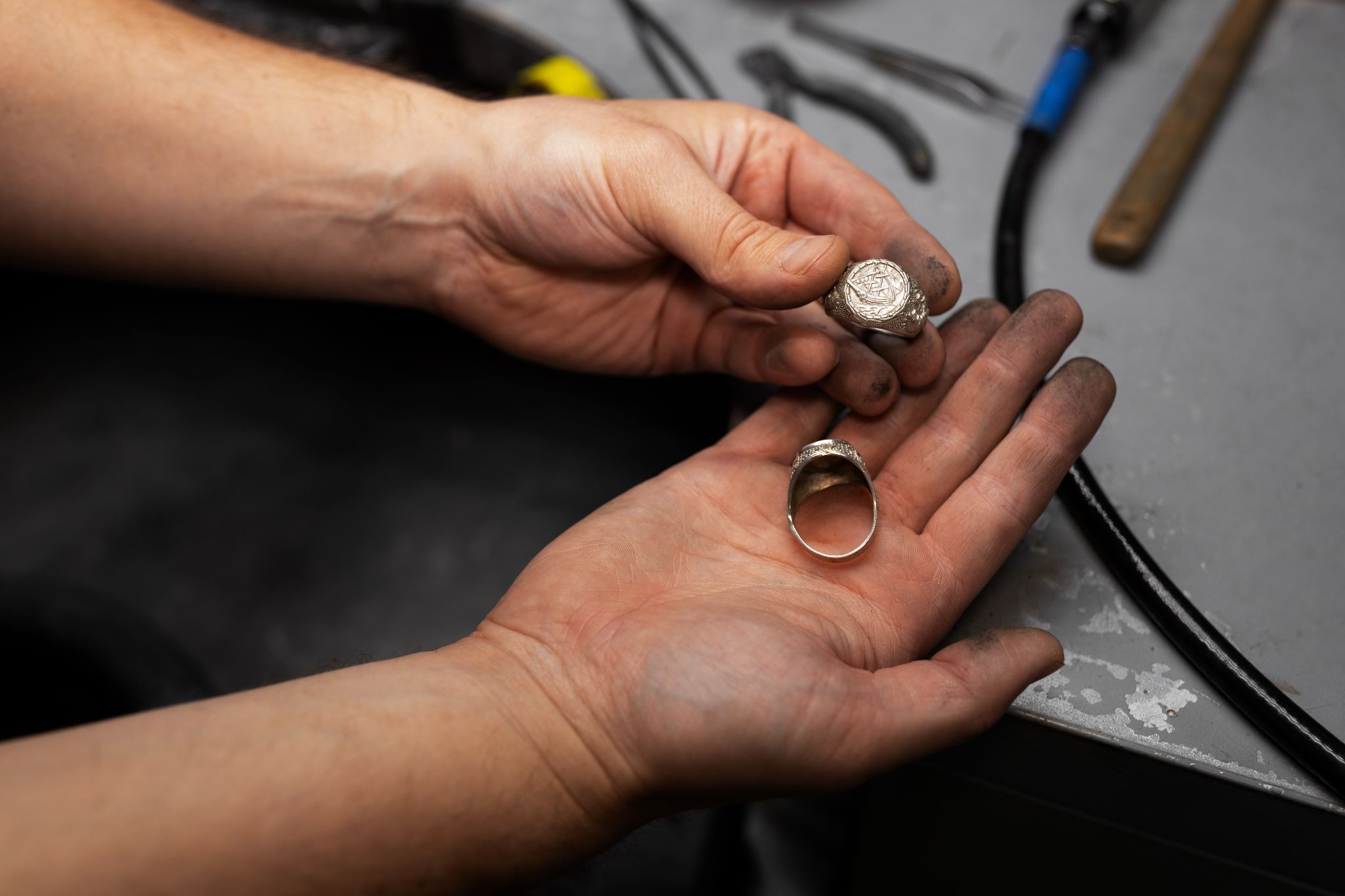
Condition isn’t always a big deal for every silver item, but for some, it can really matter. If you’re selling silver scrap or broken jewellery, don’t worry too much about the condition. Even a broken chain still has value for its silver content.
But if you’ve got coins, bullion, antiques, or collectables, condition starts to matter a lot more. Things like scratches, dents, tarnish, or missing packaging can all chip away at what you’ll get when you sell.
If you have bullion bars or coins, try to keep them in their original packaging if you can. And here’s a tip: don’t clean or polish your coins before you get them checked out. Sometimes, cleaning can actually make them less appealing to collectors.
8. Be Careful With Online Estimates
Online calculators are handy if you want a ballpark figure for your silver, but remember, they only give you an estimate. The real offer will depend on things like testing, the condition of your item, how pure the silver is, and whether it’s solid silver or just silver-plated.
Watch out for buyers who throw out prices without really looking at your silver. If someone offers you a price that seems too good to be true, especially on social media or from someone you don’t know, it’s best to be careful. A trustworthy buyer will explain how they work and won’t ask you to pay any odd fees upfront.
9. Get a Professional Silver Assessment
If you want to know what your silver is really worth, the best thing to do is have it checked out by a trusted silver buyer.
A good assessment will look at a few key things:
- The type of silver item
- The total weight
- The purity or hallmark
- The current silver price
- Whether your item is solid silver or just plated
- If it’s worth more for its silver content, as a collectable, or if it could be resold as-is
- Any bits that aren’t silver, since those can affect the final price
At We Buy Silver, we’ll help you figure out exactly what your silver is worth before you decide to sell. Whether it’s old jewellery, silverware, coins, bullion bars, or something you’ve inherited, we’ll take a look and give you a fair offer based on the current market.
Get an Instant Quote for Your Silver
There’s no need to guess what your silver is worth. Just use our We Buy Silver calculator for an instant quote. If you’re thinking of selling, get in touch, and we’ll help you through the next steps.
We buy silver in the Western Cape, including jewellery, coins, bullion bars, cutlery, silverware, and scrap silver. If you are ready to turn your silver into cash, we can help you understand the value and sell with confidence.
FAQs About Silver Value
How do I know if my silver is real?
Look for markings like 925, Sterling, 999, 900, or 800 on your item. If you spot EPNS or silver-plated, it’s probably not solid silver. Not sure what you’ve got? A reputable buyer can help you test it and figure it out.
Is sterling silver worth selling?
Yes, it’s usually worth it. Sterling silver is made up of 92.5% real silver, so you can often get a good price for it, especially if it’s heavy or the market is up.
Is silver-plated worth anything?
Silver-plated pieces don’t have much melt value, since there’s only a thin layer of silver on them. That said, some old or decorative plated items can still be worth something to collectors, but they’re not valued like solid silver.
Should I clean my silver before selling it?
Usually, you don’t need to clean your silver before selling. A bit of tarnish is totally normal and won’t affect the silver itself. If you’ve got coins, antiques, or collectables, it’s often better to leave them as they are, since cleaning can sometimes lower their value.
What is the fastest way to estimate my silver value?
Just use the We Buy Silver calculator for a quick quote. All you need is your item’s type, weight, and silver markings, and you’ll get an instant estimate.